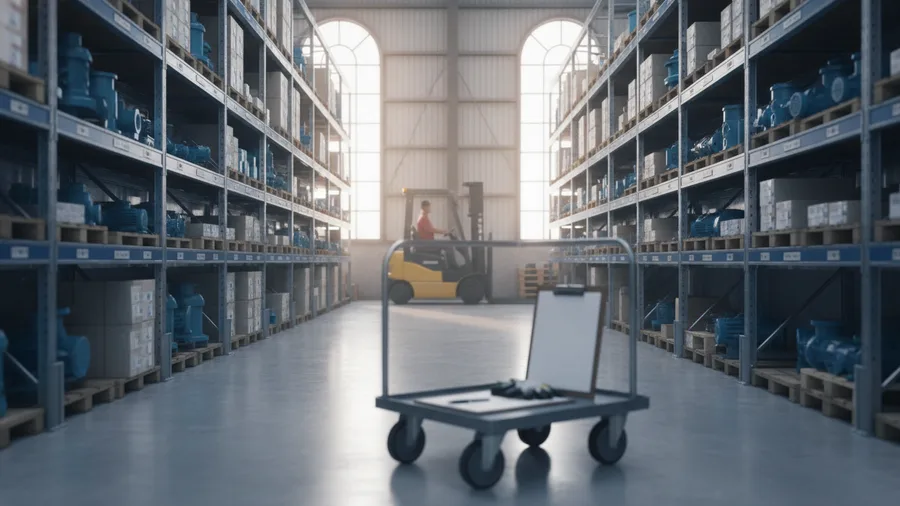


Engineering procurement is the work of buying the equipment, materials, subcontracts and services an engineering project needs, to the project's specifications, schedule and budget. Unlike routine buying, it is driven by the design and the construction programme, so engineers and buyers work together from the first datasheet to the last certificate. This guide explains how B2B procurement for engineering firms and EPC contractors works, from the bill of materials to delivery on site.
Key facts
- A project, not a routine: each project has its own specifications, completion date and budget, and most items are bought once.
- Plan backwards from site: the procurement schedule starts from each item's required-on-site date and works back to the request for quotation.
- Order long-lead items first: large rotating equipment, transformers, heavy forgings and special valves can take many months to make, so they are bought while design continues.
- Evaluate in two parts: engineers check that each bid meets the specification, then buyers compare price, delivery and terms for the bids that pass.
- Plan quality into the order: vendor documents, an inspection and test plan, certificates and expediting are written into the order, not added later.
- Control every change: changes to scope, specification, quantity or dates go through one change process, so cost and schedule stay visible.
In short, procurement for engineering projects turns a design into purchase orders and subcontracts at the right time. A complete bill of materials and a procurement schedule show what to buy and when. Clear packages and comparable bids show whom to buy from. Vendor documents, inspection and expediting confirm that what arrives is what the design asked for, and change control keeps the budget honest.
How project procurement differs from operational buying
Operational buying keeps a running business supplied: repeat orders for consumables, spares and services from known suppliers, often under framework agreements. Project procurement buys a unique set of items once, against a design that is still developing, to meet a fixed completion date.
Specifications and requisitions
On a project, the buyer does not decide what to buy. The discipline engineer issues a material requisition: the datasheet, the project specifications and design codes that apply, the scope of supply, the documents required and the inspection level. The buyer turns the requisition into a request for quotation. Anything missing from it returns later as a costlier change.
Stage gates and change control
Most projects set gates that each package must pass: requisition, bidders' list, technical evaluation, commercial evaluation and award, each approved within authority limits. After award, every change to scope, specification, quantity or date goes through change control. The engineer raises it, the buyer obtains the supplier's price and schedule impact, and the project approves it before the order is amended. Changes agreed informally are a common source of disputes at close-out.
EPC procurement: where procurement sits in a project
EPC stands for engineering, procurement and construction. Under an EPC contract, one contractor designs the facility, buys everything it needs and builds it, usually for a fixed price and completion date, then hands over a working plant. An EPC contractor's procurement team therefore buys for the whole project: equipment, bulk materials, subcontracts and services. Other delivery models split the roles differently.
- EPC or lump sum turnkey: the contractor carries the design, procurement and construction risk.
- EPCM (engineering, procurement and construction management): the contractor manages the work for the owner, and orders are usually placed in the owner's name.
- Design and build: one contractor develops the owner's concept design and builds it, common in building and infrastructure.
- Owner-furnished equipment: the owner buys critical or long-lead items itself and hands them to the contractor to install.
Whichever model applies, agree at the start who issues requisitions, approves bidders, signs orders and pays.
Build the bill of materials and procurement schedule
Procurement starts from a complete list of what the design needs. Engineers produce an equipment list for tagged items such as pumps, compressors, heat exchangers, pressure vessels, transformers and control panels, and material take-offs for bulk items such as structural steel, pipe, fittings, valves, cable and instruments. Together they form the project's bill of materials. Early take-offs are estimates, so teams often add a planned surplus on bulk materials and refine quantities as design develops.
Group the items into procurement packages that suppliers can quote as a whole: one package per type of equipment, bulk materials by commodity and subcontracts by trade. Each package gets its own requisition, bidders' list, dates and budget line.
The procurement schedule
The schedule works backwards from the date each package is needed on site. For example, for a pressure vessel needed on site in week 70:
- shipping and customs take 6 weeks, so it must leave the works by week 64;
- manufacture, inspection and testing take 30 weeks, so manufacture must start by week 34;
- vendor drawings need 6 weeks for approval before material is ordered, so the order must be placed by week 28;
- the bid period, both evaluations and award approval take 10 weeks, so the request for quotation must go out by week 18;
- preparing the requisition takes 4 weeks, so the engineer must start it by week 14.
Any design delay pushes the whole chain, so add float to the riskier steps and track every package weekly. The allowances are illustrative: ask suppliers for current lead times early, as they change with demand.
Identify and secure long-lead items
A long-lead item is equipment or material whose manufacturing time is long enough to drive the project schedule. Typical examples are large compressors, turbines, power transformers, heavy wall pressure vessels, large forgings, special alloy pipe, large valves and switchgear. Lead times of six months or more are common, and some exceed a year.
- Identify them from the first equipment list and give them priority in design.
- Requisition them as soon as the datasheet is firm enough to price.
- Where final approval is still pending, use a limited notice to proceed or a reservation agreement to secure a manufacturing slot, with a cap on cancellation costs.
- Check the supplier's own orders for raw materials and major components, which are often the real bottleneck.
Technical and commercial evaluation
Engineering bids are evaluated in two parts, often from separate technical and commercial envelopes. Only bids that pass the technical evaluation go on to the commercial comparison, so price never decides between unequal offers.
Clarifications go to all bidders through the buyer, in writing. Before comparing prices, normalise the bids: add the cost of anything one bidder excluded, such as spares, special tools, testing or site supervision. Our RFQ guide covers writing requests that make this easier, and the guide on how to find and verify industrial suppliers covers the checks before a supplier joins a bidders' list.
Vendor documentation, inspection and expediting
For engineered equipment, documents are part of what you buy. The order should include a vendor document requirements list naming each document, its due date and whether it needs approval.
- Before manufacture: general arrangement drawings, calculations, datasheets, the quality plan and welding procedures, reviewed by the engineers and returned with a status such as approved, approved with comments or rejected.
- During manufacture: material certificates traceable to heat numbers, test records, non-conformance reports and progress reports.
- At delivery: the final data book with as-built drawings, certificates and test reports, the installation, operation and maintenance manuals, and a spare parts list.
The inspection and test plan
An inspection and test plan lists each check during manufacture and marks where the buyer's inspector takes part. At a hold point, work stops until the inspector has witnessed or released it. At a witness point, the inspector is invited, but work may continue if they do not attend. Typical points include material checks, weld inspection, pressure tests, the factory acceptance test and the final inspection before shipment. Match the inspection level to the risk: a critical compressor can justify a resident inspector, while standard bulk items may need only a review of certificates.
Expediting
Expediting is the regular follow-up that keeps orders on schedule. The expeditor tracks document submissions, the supplier's own orders, manufacturing milestones and test dates, visits the works for critical items, and raises problems while there is still time to recover. A weekly status per package, with forecast against planned dates, shows slippage early.
Subcontract and package procurement
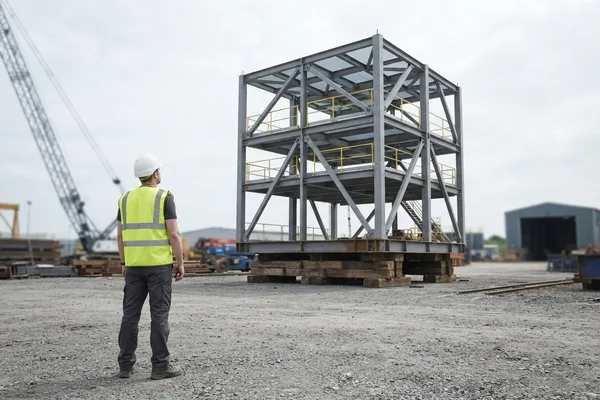
Engineering projects buy work as well as goods: civil works, steel erection, mechanical and piping installation, electrical and instrumentation, insulation and painting, and commissioning support. Subcontracts carry more interface risk than supply orders, so the request for quotation needs more than a specification:
- a scope of work with clear battery limits and who provides what, such as free-issue materials, cranes and power;
- the pricing basis: lump sum, schedule of rates, or reimbursable cost with a fee;
- measurement and payment rules, retention and any performance security;
- the programme, key dates and the damages for delay;
- safety, quality and site rules, and workforce qualifications.
Equipment packages, such as a skid-mounted compressor, sit between the two: one supplier designs, builds and tests a complete unit. They save interfaces on site but depend on the supplier's own sub-suppliers, so ask for the list and inspect them too.
Cost and risk control
Procurement commits most of a project's cost, so the buyer and the cost engineer track three figures for every package: the budget, the committed value of orders, and the forecast final cost including approved and pending changes.
Tie payments to progress you can verify, such as approved drawings, a passed factory acceptance test and delivery, and hold a retention until the final documents arrive.
How engineers and buyers work together
Buyers aim for the lowest total cost and a sound contract, while engineers want the design built exactly as specified. Projects run best when the roles are clear:
- Engineers own the requisition, the technical evaluation, vendor document review and technical deviations.
- Buyers own the market, bidders' lists, commercial terms, contracts, order amendments and supplier communication.
- Both agree the approved vendor list, the inspection level, clarifications and every change.
Many organisations bridge the two with procurement engineers: people with a technical background who prepare requests for quotation, run bid clarifications, manage vendor documents and expedite orders. A short weekly meeting of engineering, procurement and construction to review status against the schedule keeps decisions out of long email chains.
Delivery to site and materials control
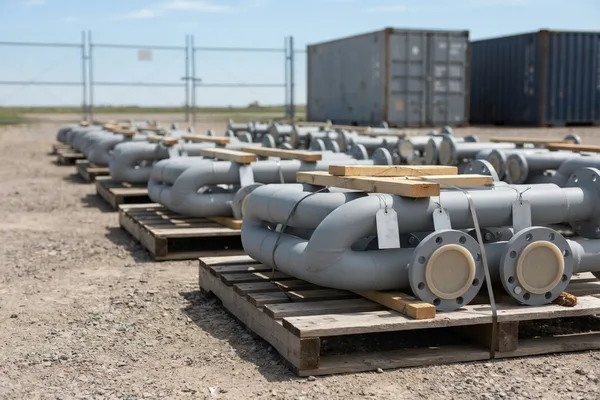
Equipment and materials can be damaged or delayed between the works and the site. Agree the delivery term, export packing and preservation in the order, and plan heavy or oversized loads early, with route surveys and lifting plans. On arrival, materials control takes over:
- check every package against the packing list and record shortages, overages and damage at once;
- match certificates and heat numbers to the items, especially for pressure parts and alloy materials;
- tag and store items by area and system, and keep up their preservation;
- issue materials to construction against work packages, so stock and surplus stay visible.
Our guide to buying industrial equipment covers acceptance checks for single items.
How a marketplace platform fits
Engineering firms usually run their own systems for requisitions and orders. A marketplace platform adds reach, putting a requirement in front of verified suppliers and keeping the quotes in one place, which helps most with packages outside your vendor list, urgent replacements and freight. On BSO:
- Buyers submit an enquiry with the specification, quantity, required date and delivery location, then either let the BSO team source and consolidate quotes or publish it to verified suppliers and compare their quotes directly.
- Manufacturers, distributors and fabricators browse open enquiries and quote on matching requirements.
- Moving equipment, modules and materials to site can go out as logistics enquiries for land, sea and air freight providers to quote.
- Employers looking for procurement engineers, expeditors, inspectors or site staff, and people looking for those roles, can use the jobs board.
Depending on your plan, the platform's built-in AI assistant can answer questions about your enquiries and orders and compare the quotes you receive side by side, explaining the differences. The figures come from the quotes themselves, and any change the assistant proposes waits for your approval. Read how BSO works for each step.
Engineering procurement checklist
- Agree who owns each procurement step under your contract model.
- Build the equipment list and material take-offs, and split them into packages.
- Plan the schedule backwards from the required-on-site dates and requisition long-lead items first.
- Issue complete requisitions with specifications, documents and inspection levels.
- Evaluate bids technically first, then commercially on a normalised basis.
- Write documents, inspection, payment milestones and delay damages into the order.
- Expedite every package and run every change through change control.
- Check, tag and control materials from arrival to installation.
Next steps
The best B2B procurement solutions for engineering put design, buying and construction on one schedule with clear roles. For the wider buying cycle, see our guide to the procurement process steps, and for tools that manage requisitions and approvals, our overview of procurement management software. If you supply equipment, materials or services to engineering projects, compare the subscription plans to start quoting on enquiries, and for a question about a specific requirement, contact the BSO team.
Frequently asked questions
Engineering procurement is the buying of equipment, materials, subcontracts and services for an engineering project, to the project's specifications, schedule and budget. Engineers define each item in a requisition, buyers run the bidding and contracts, and both follow the order through vendor documents, inspection, expediting and delivery to site.
EPC stands for engineering, procurement and construction. An EPC contractor designs a facility, buys all the equipment, materials and subcontracts it needs, and builds it, usually for a fixed price and completion date, then hands over a working plant. EPC procurement is that contractor's buying for the whole project, from long-lead equipment to bulk materials and site trades.
A procurement engineer is a technically trained member of the procurement team who links engineering and buying. They prepare requests for quotation from requisitions, run technical clarifications with bidders, help compare offers, manage vendor documents and expedite orders, so that what is bought matches the design and arrives on time.
Operational buying keeps a business supplied with repeat items from known suppliers. Project procurement buys engineered items once, against a developing design and a fixed completion date, so it needs a procurement schedule, long-lead planning, stage gates for approval, formal change control and far more documentation from suppliers.
Long-lead items are equipment and materials whose manufacturing time is long enough to drive the project schedule, such as large compressors, power transformers, heavy forgings, special alloy pipe and large valves. They are identified from the first equipment list and ordered early, sometimes before the design is final, to secure a production slot.
In the technical evaluation, engineers check each bid against the requisition: specifications, codes, materials, performance, deviations and documents. In the commercial evaluation, buyers compare price, scope, delivery, payment terms, warranty and liabilities, but only for the bids rated technically acceptable, so price never decides between unequal offers.
Try it with a real enquiry
Verified suppliers quote within days. Free for buyers.